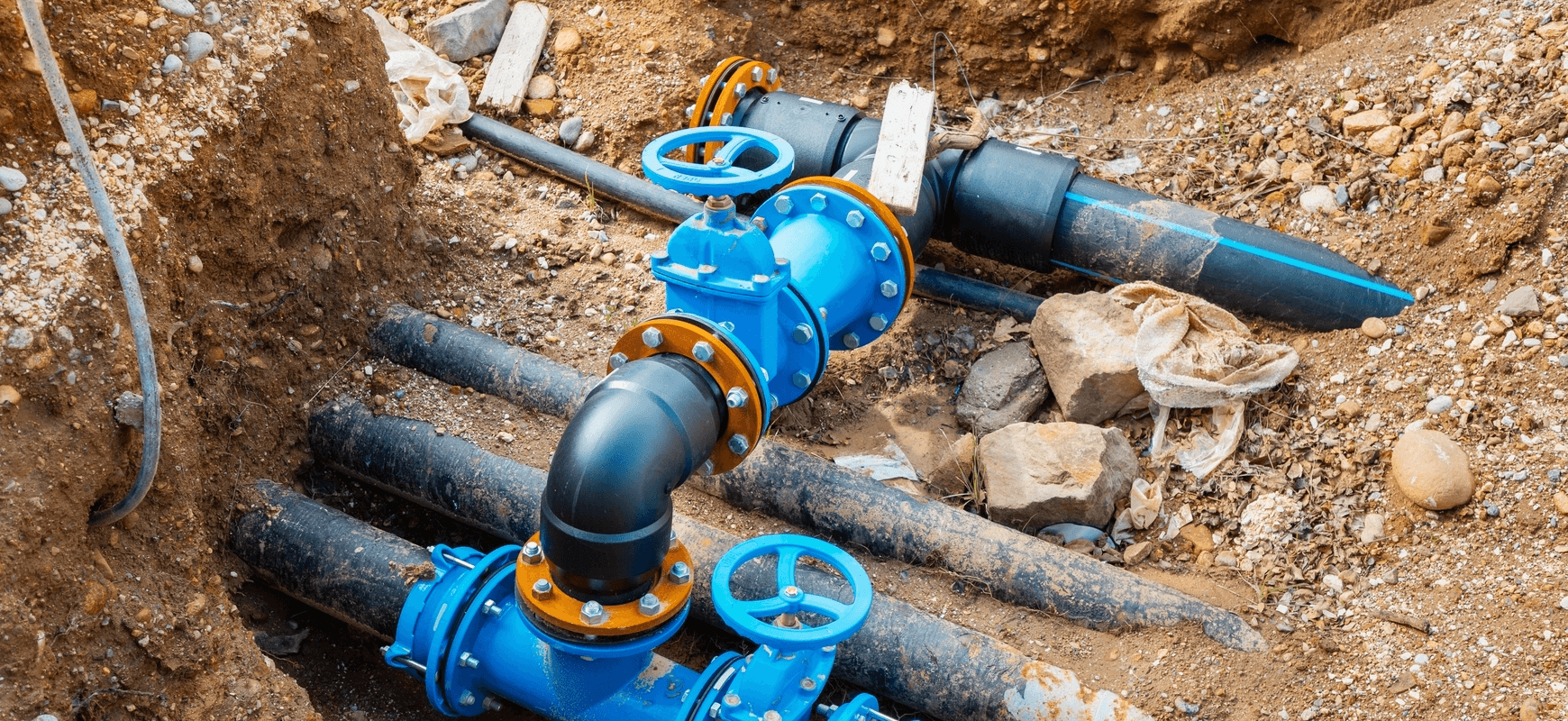
Water and sewer projects often need accurate excavation around existing utilities, service connections, mains, valves, laterals, crossings, or damaged infrastructure. Your Local Pro Hydrovac provides water and sewer line excavation for compatible repair, installation, exposure, verification, and emergency-access work.
Hydrovac can be useful before a conventional excavator opens a larger work area, when a contractor needs to confirm a crossing, or when access is required in a congested utility corridor. The requested hole should be sized around the actual task, not simply excavated larger than necessary.
Before service, provide the line type, locate status, expected depth, requested dimensions, access, hose distance, traffic-control needs, spoils plan, and whether the work involves an active failure. For water-main breaks, sewer failures, or unstable ground, the responsible utility or contractor should coordinate site safety and shutdown procedures.
Water and sewer corridors can contain multiple generations of mains, laterals, service lines, valves, cleanouts, and other buried infrastructure. The provider should know which facility is the target and whether the next crew needs simple exposure or enough room for repair tools, fittings, or replacement work.
For municipal or commercial projects, also confirm who is responsible for pumping, bypass, dewatering, shoring, backfill, restoration, and traffic control. Hydrovac excavation may be only one part of the larger repair or installation plan.
Our Water & Sewer Excavation Process
A typical hydrovac visit may include:
- Review the marked utilities, work scope, drawings, and requested excavation area.
- Confirm truck placement, hose route, water needs, traffic control, and spoil handling.
- Set up the excavation zone and coordinate with the utility or plumbing contractor.
- Use controlled water and vacuum removal to excavate the approved area.
- Expose the line, service, valve, crossing, or repair area required by the project.
- Review the excavation before repair, replacement, inspection, or larger construction continues.
Wet soil, damaged lines, unstable edges, traffic, depth, and nearby utilities can change the plan. The local provider should understand the site conditions before the truck is dispatched.
Need Water or Sewer Excavation? Call 888-907-6390
- Chris Wentworth
Glad i went with them. I was on the fence about trying a new company, but they made the whole process super simple. If you need service give them a try.
- Mike L.
Super easy to schedule, they showed up on time, and the work was perfect. Definitely using them again next time i need help with anything!
Hydrovac for Water & Sewer Projects
- Main & Service Exposure: Open selected areas around water or sewer infrastructure for inspection, repair, connection, or replacement work.
- Crossing Verification: Confirm water and sewer locations before boring, trenching, grading, pipeline, fiber, or other underground construction.
- Valve & Connection Access: Create controlled access around compatible valves, laterals, service connections, or tie-in locations.
- Emergency Preparation: Support the responsible utility or contractor when urgent excavation access is needed around a damaged line.
Schedule Water & Sewer Line Excavation
Contact Your Local Pro Hydrovac when a water or sewer project needs controlled excavation. Share the line information, work dimensions, access, disposal plan, and project schedule so the local provider can confirm equipment and availability.