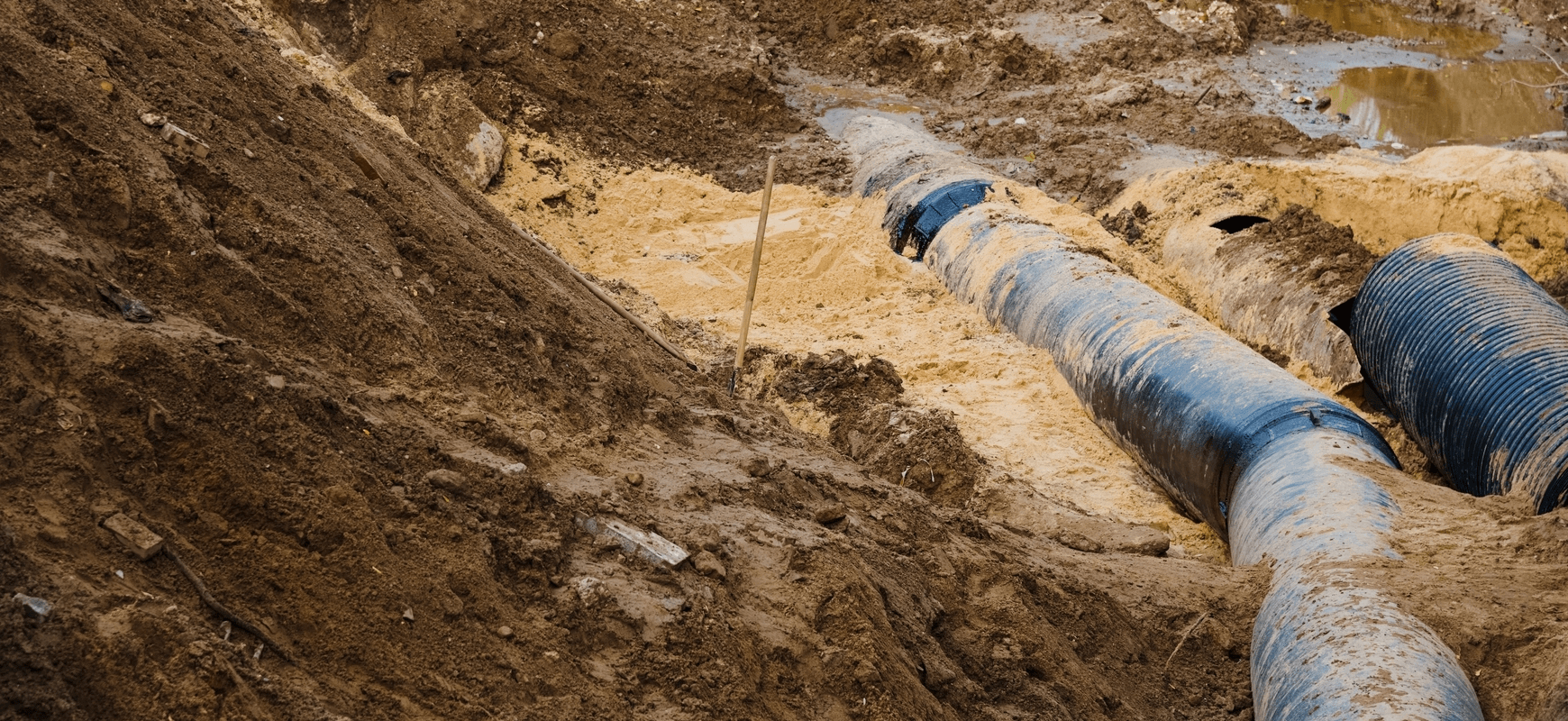
Pipeline work may require access for inspection, repair, coating, tie-ins, crossings, testing, maintenance, or modification. Your Local Pro Hydrovac provides pipeline excavation for controlled exposure of compatible buried pipeline infrastructure and the utilities that share the surrounding corridor.
The excavation can range from a small verification point to a larger working area around a pipe. Pipeline owners and contractors should define the required dimensions, pipe status, support needs, coating concerns, access, and project safety requirements before hydrovac work begins.
Provide the line location, work coordinates or stations, expected depth, excavation dimensions, locate status, truck access, hose distance, spoil plan, traffic-control requirements, and the project contact. If the excavation is intended to create a bell hole or work area, include the required bottom width and working clearance.
Pipeline projects often require more planning than a standard utility pothole because the excavation may need defined working clearance on the sides and below the pipe. The owner or contractor should provide the required geometry and identify whether the crew will inspect coating, perform a repair, install a fitting, complete a tie-in, or simply verify a crossing.
For longer projects, confirm how spoils will be handled and whether the hydrovac truck can remain near the work area. Remote hose runs, repeated excavation points, difficult access, or off-site disposal can materially change production time and truck capacity.
Our Pipeline Excavation Process
A typical hydrovac project may include:
- Review the pipeline information, locate markings, work limits, and excavation dimensions.
- Confirm truck placement, hose routing, access controls, and spoil-handling requirements.
- Coordinate the excavation area with the pipeline owner or responsible contractor.
- Use water and vacuum excavation to remove soil in the approved area.
- Expose the pipeline or crossing while respecting project-defined limits and controls.
- Review the completed excavation before inspection, coating, repair, tie-in, or other pipeline work.
Pipeline excavation may require special support, shoring, access, atmospheric, environmental, or integrity procedures that are outside the hydrovac scope. Those requirements should be established by the responsible project team.
Need Pipeline Excavation? Call 888-907-6390
- Chris Wentworth
Glad i went with them. I was on the fence about trying a new company, but they made the whole process super simple. If you need service give them a try.
- Andy T.
I love when folks do what they say and don’t try to upsell me on stuff i don’t need. They were efficient, respectful, and worth every penny.
Pipeline Hydrovac Applications
- Pipeline Exposure: Remove soil from a selected section for inspection, coating assessment, maintenance, or repair preparation.
- Bell Holes & Work Areas: Create compatible working space around a connection, fitting, tap, crossing, or repair location.
- Crossing Verification: Expose pipelines or nearby utilities before trenching, boring, grading, or other construction crosses the corridor.
- Tie-In Preparation: Support qualified pipeline crews by opening the approved area before modification or connection work.
Request Pipeline Hydrovac Service
For planned pipeline work that needs controlled excavation, contact Your Local Pro Hydrovac. The local provider can review the project dimensions, access, truck placement, spoil handling, and schedule before confirming service.